
ReviewFiction
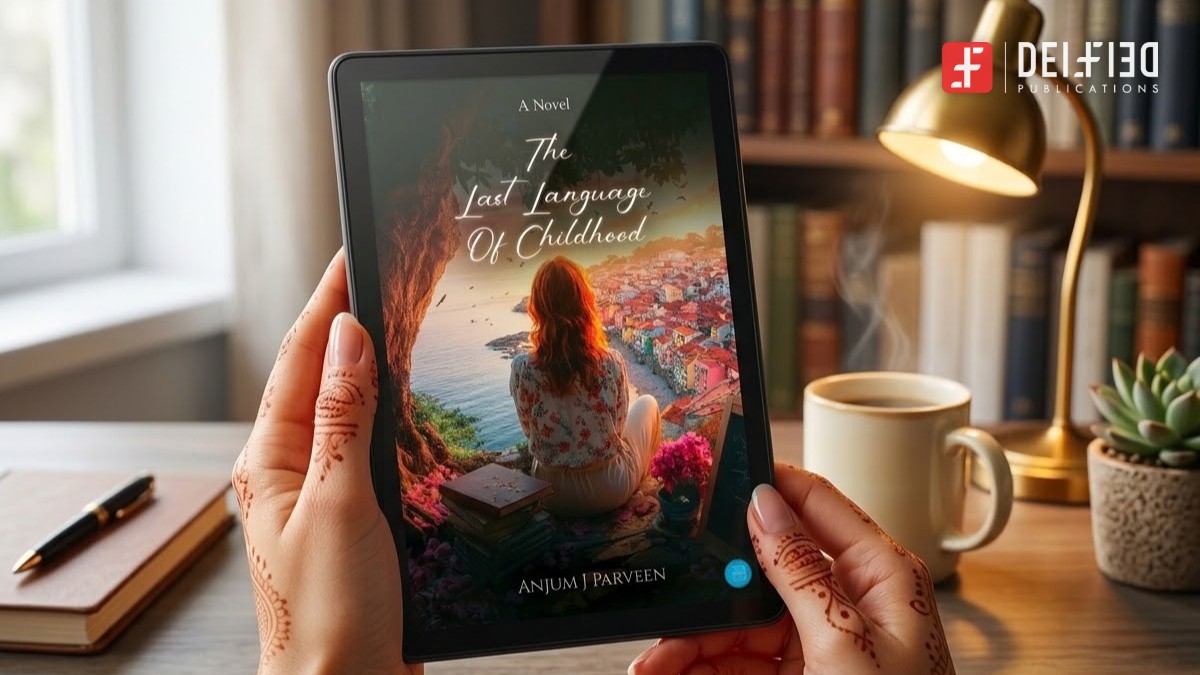
The Last Language Of Childhood Book Review
 Review byPriya SrivastavaEditor-In-Chief
- Published
- Reading time
- 6 min
- Readers
- 2,13,666 views · 34 shares
In this review4 sections
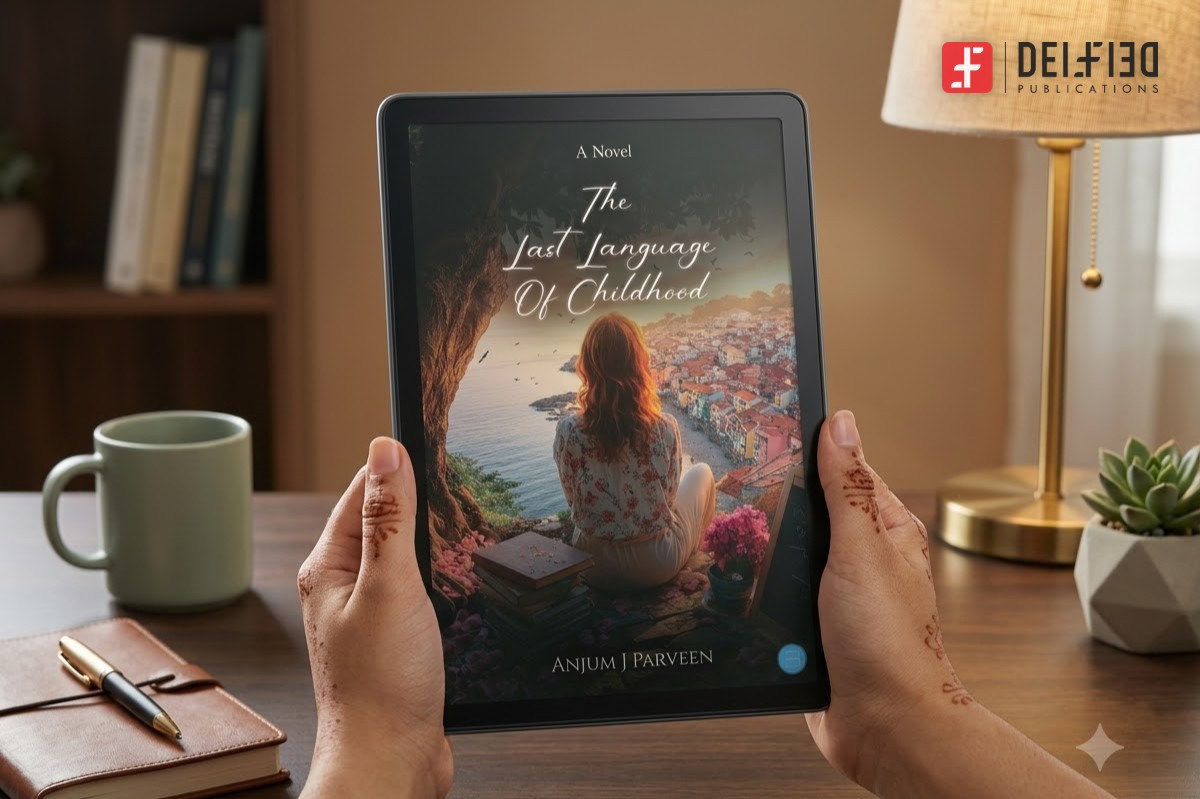
I have been an editor at Deified Publication for several years now, and I have read my fair share of books. But The Last Language Of Childhood by Anjum J Parveen is one book that has stayed with me long after I finished reading it. The title of the book is intriguing, and the blurb on the back cover hints at a story that explores the invisible emotional worlds that exist within families.
The book revolves around the lives of children, parents, and adults who are carrying unfinished wounds from their own pasts. It delves into themes of childhood, parenting, mental health, emotional neglect, identity, forgiveness, and generational healing. At its heart, the book asks a profound question: What happens when adults forget how to hear the language their children are still speaking?
One of the things that stood out to me in this book is the author's craft. The way Parveen weaves together the interconnected lives of the characters is nothing short of remarkable. The pacing of the story is well-balanced, and the structure is easy to follow. The characters are well-developed and relatable, making it easy to become invested in their lives.
I was particularly moved by the character of Dr. Aaira Sheikh, a counsellor who is determined to help children and families heal from their emotional wounds. Her story is a testament to the power of listening and understanding, and it resonated deeply with me. I have seen this happen in real life, where a person who feels heard and understood is able to open up and heal in ways they never thought possible.
The writing style of the book is tender, psychologically insightful, and deeply human. Parveen has a way of exploring complex emotions and themes in a way that feels both authentic and accessible. I was struck by the way she uses simple yet powerful language to convey the depth of human emotion.
As I read through the book, I was reminded of a similar book, The Namesake by Jhumpa Lahiri. Both books explore the complexities of family relationships and the challenges of communication across generations. However, The Last Language Of Childhood is unique in its focus on the emotional lives of children and the ways in which adults can either support or hinder their development.
One of the most striking moments in the book comes early on, when Dr. Aaira meets a boy named Vivaan who has stopped speaking. The way Parveen describes Vivaan's silence is haunting: "How do you hear a child who has stopped believing anyone is listening?" It is a powerful reminder of the importance of listening to children and validating their emotions.
Another moment that stood out to me is when Dr. Aaira reflects on the promises she made to her own children. She realizes that she has often prioritized her own needs over theirs, and that this has had a profound impact on their relationship. It is a moment of raw honesty and vulnerability, and it highlights the challenges of balancing one's own needs with the needs of others.
The book also explores the theme of forgiveness, particularly in the context of family relationships. Parveen shows how forgiveness can be a complex and difficult process, but also how it can be a powerful tool for healing and growth. I was struck by the way she writes about the importance of acknowledging the past and working through difficult emotions in order to move forward.
One potential criticism of the book is that it can feel a bit dense and overwhelming at times. The themes and emotions explored in the book are complex and multifaceted, and it can be challenging to keep track of the various characters and storylines. However, I believe that this is a minor flaw in an otherwise excellent book.
Overall, I highly recommend The Last Language Of Childhood to anyone interested in exploring the complexities of family relationships and the power of listening and forgiveness. It is a beautifully written and deeply moving book that will stay with you long after you finish reading it.
Who Should Read This Book?
The Last Language Of Childhood is a book that will resonate with anyone who has ever struggled with communication in their family relationships. It is a book for parents, children, and anyone who has ever felt like they don't quite understand each other. The themes explored in the book are universal, and the characters are relatable and well-developed.
I think this book would be particularly helpful for parents who are looking for ways to improve their communication with their children. The author's insights into the emotional lives of children are invaluable, and her suggestions for how adults can better support their children are practical and compassionate.
At the same time, I think The Last Language Of Childhood is also a book that will appeal to readers who enjoy literary fiction and are looking for a story that explores complex themes and emotions. The writing is beautiful, and the characters are richly drawn.
Who May Want to Skip This Book?
While I highly recommend The Last Language Of Childhood, I do think that it may not be the best fit for every reader. The book deals with some heavy themes, including emotional neglect and trauma, and it can be emotionally challenging to read at times.
If you are someone who prefers lighter, more uplifting books, you may want to look elsewhere. However, if you are willing to engage with complex themes and emotions, I believe that The Last Language Of Childhood is a book that will reward your reading.
In terms of target audience, I would say that this book is suitable for adult readers who are interested in literary fiction and are looking for a story that explores complex themes and emotions. It is not a book that I would recommend for younger readers, as it deals with some heavy themes that may be difficult for them to process.
Closing Thoughts
I am grateful to have had the opportunity to read The Last Language Of Childhood by Anjum J Parveen. It is a book that has stayed with me long after I finished reading it, and it has given me a lot to think about. I highly recommend it to anyone who is interested in exploring the complexities of family relationships and the power of listening and forgiveness.
As I look to 2026 and the new year ahead, I am excited to see what other books will be published that explore similar themes and emotions. I have no doubt that The Last Language Of Childhood will be a book that will continue to resonate with readers for years to come.
FAQs
What is The Last Language Of Childhood about?
The Last Language Of Childhood is a contemporary literary novel that explores the invisible emotional worlds that exist within families. It delves into themes of childhood, parenting, mental health, emotional neglect, identity, forgiveness, and generational healing.
Who is this book for?
The Last Language Of Childhood is a book that will resonate with anyone who has ever struggled with communication in their family relationships. It is a book for parents, children, and anyone who has ever felt like they don't quite understand each other.
Is The Last Language Of Childhood worth reading?
I highly recommend The Last Language Of Childhood to anyone interested in exploring the complexities of family relationships and the power of listening and forgiveness. It is a beautifully written and deeply moving book that will stay with you long after you finish reading it.
What stood out to me in this book?
One of the things that stood out to me in this book is the author's craft. The way Parveen weaves together the interconnected lives of the characters is nothing short of remarkable. The pacing of the story is well-balanced, and the structure is easy to follow. The characters are well-developed and relatable, making it easy to become invested in their lives.