


ReviewFiction
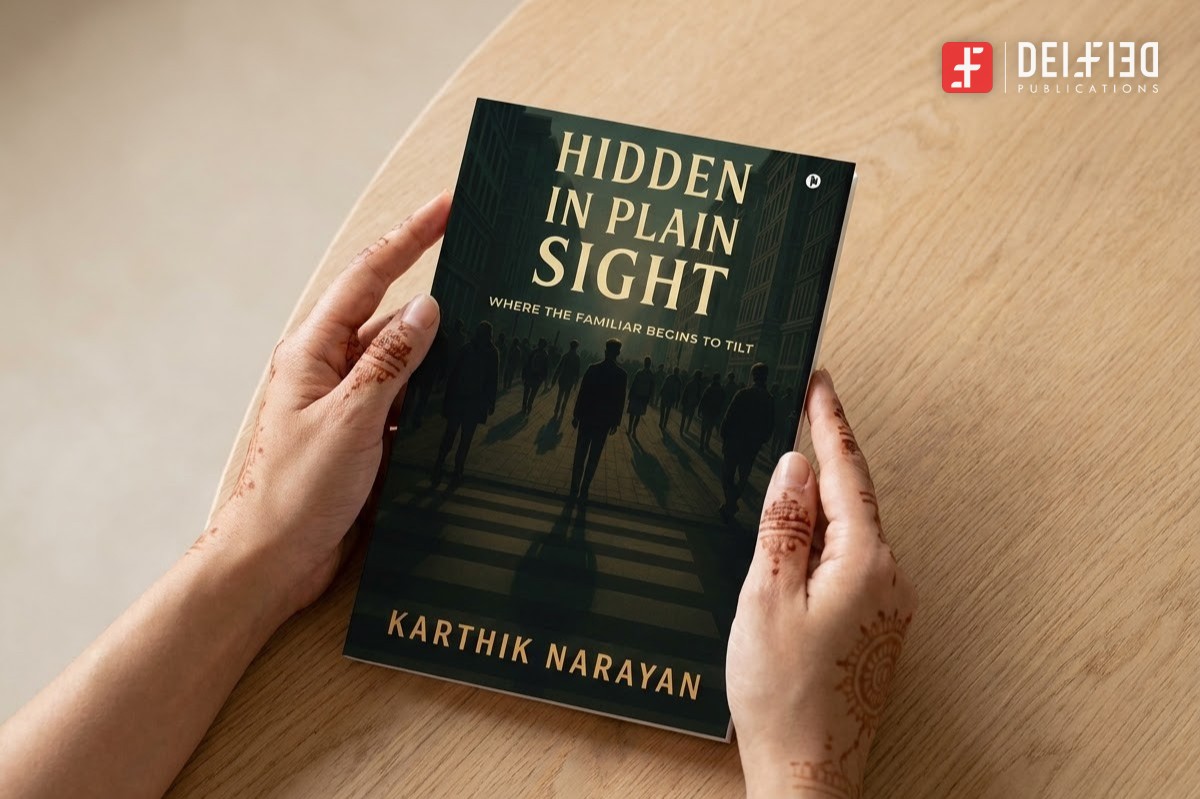
Hidden in Plain Sight Book Review: A Haunting Read
 Review byPriya SrivastavaEditor-In-Chief
- Published
- Reading time
- 7 min
- Readers
- 4,23,664 views · 212 shares
In this review6 sections
I sat by my window on a Tuesday afternoon with a cup of ginger tea when I first opened this collection, and honestly I did not expect to lose three hours of my day to it. In my years reading fiction for Deified Publication, I have learned that short story collections can often feel uneven, swinging wildly between moments of brilliance and filler chapters that seem rushed. Karthik Narayan avoids this trap by focusing entirely on how ordinary routines can fracture into something unsettling almost without warning. There is something about the way these twenty tales unfold that reminds me of real life, where danger rarely announces itself with sirens or drumrolls. When I reached the back cover and read that the extraordinary is already in the room, I realized how true those words felt after spending an afternoon inside these pages.
My role as Editor-in-Chief means I read hundreds of manuscripts every year, but I always look for books that manage to surprise me on a human level. I found myself thinking about the opening pages long after I closed the book, especially the scene where Bhuvi and Ram arrive with their moving truck at a gentle Mumbai lane. You can almost smell the cardboard boxes mixed with the scent of old houses, and a rusty cycle leaning against a gate adds a touch of domestic realism that anchors the weirdness to follow. This Hidden in Plain Sight Book Review is my attempt to explain why this indie release deserves your attention in 2026, even if it has a few rough edges that any honest reader should know about before diving in.
What Lies Beneath the Familiar Surfaces
This book is structured into two distinct parts that take readers from domestic realism into much darker psychological territory. Part I, titled Fault Lines, features stories like A New Beginning and Visiting Hours where characters deal with sudden grief, aging neighborhoods, and gentle neighborhood secrets. For instance, Mrs. Janaki welcomes newcomers from her porch while offering homemade ginger biscuits from a tin, making the whole setting feel grounded and warm before the tension starts to creep in. Then you have moments like Veena receiving a late-night phone call about Dilip in the General Hospital mortuary, where the silence thickens until it feels alive and loud with unanswered questions. These stories rely heavily on atmosphere and character observation rather than cheap jump scares or flashy action sequences.
Part II shifts the tone entirely toward survival and moral compromise, taking us from corporate boardrooms to freezing mountain ledges. We see Raghav sitting in a sterile hospital corridor outside his father's room, trying to fill the stillness with old stories and small regrets while hiding his involvement in laundering money. Later on, we watch Lukas Reinhardt lead a climbing expedition across an extreme Alpine ridge where a wind-scoured ice wall drops away without negotiation. Sebastian makes the difficult choice to unclip from the rope and remain behind with a fallen companion in the freezing cold, showing how human loyalty tests itself under extreme pressure. Narayan maps out these transitions with a cool, observant voice that makes every moral choice feel heavy and irreversible.
What Stood Out to Me About the Craft
The writing style throughout the collection is precise, economical, and heavily atmospheric, favoring clean declarative sentences that build suspense without relying on unnecessary adjectives. Narayan understands that terror often lives in mundane details, such as a boss handing over a single bullet tied with a neat pink bow inside an envelope during a tense chess game. I noticed how chapters consistently open with strong sensory grounding and close on lingering psychological notes that make you stop and look up from the page. The pacing mirrors the narrative arc deliberately, moving slowly through domestic suburban lanes before accelerating into high-stakes panic on mountain slopes or hospital corridors.
At the same time, an honest review must point out the real weaknesses that kept this from being a higher-scoring book on my scorecard. The transition in tone between the domestic suburban realism of the first half and the extreme survival sequences in the second half can feel rather abrupt without tighter thematic bridging. I also noticed a few minor formatting and proofreading slips across different story transitions that could have been smoothed out with another round of careful editing. These flaws do not ruin the reading experience, but they do remind you that you are reading an indie publication that might have benefited from a bit more polish before going to print.
The Emotional Core That Lingers After Reading
What makes these stories work is how they tap into our deepest fears about trust eroding away from people we thought we knew. When Raghav recalls the first time he laundered money, believing it felt like cleverness disguised as necessity, it made me wonder about how easily people cross moral lines in real life. We all like to think we would do the right thing when tested, but Narayan shows how fear slowly turns into caution and caution eventually turns into compromise. I found myself tearing up a bit during the hospital scenes with Raghav and his father, because the raw vulnerability in those gentle moments felt completely authentic and unforced.
There is a gentle devastation in realizing that some mistakes are permanent and some reckonings are patient, which is a theme that runs through many of these tales. You see characters standing on a veranda watching the shoreline with Casto and Clara, sensing a tense atmosphere in the heavy air where the sea meets the restless dark. These moments do not offer easy resolutions or neat moral takeaways, which might frustrate readers who prefer their fiction wrapped up with a tidy bow. Instead, the book leaves you sitting with your own thoughts about the secrets people keep behind closed doors and the fault lines running beneath ordinary lives.
Who Should Read This Book and Who Might Want to Skip It
If you love literary psychological suspense, atmospheric short fiction, and indie releases that take risks with their subject matter, you will find plenty to love here. Readers who enjoy the domestic tension of Jhumpa Lahiri or Gillian Flynn will appreciate how Narayan builds suspense out of everyday conversations and family moves. This book is ideal for a rainy weekend when you want to get lost in dark, moody tales that do not rely on formulaic genre tropes. It is the kind of collection you can read in two or three sittings, letting each story settle into your mind before moving on to the next one.
However, if you prefer fast-paced thriller novels with a single continuous plot and traditional action heroes, you might find this episodic collection a bit disjointed. Readers who dislike ambiguous endings or stories that leave questions unanswered will probably want to skip this one, as Narayan prefers psychological ambiguity over clear-cut answers. The sudden shifts between supernatural elements and gritty crime dramas might also jar readers who expect a single consistent genre throughout the book. Know what you are getting into, and you will likely appreciate the craft on display.
Final Thoughts on Karthik Narayan's Collection
Reviewing books for over fifteen years teaches you to appreciate authors who take gentle risks instead of shouting for your attention on every page. Karthik Narayan has crafted a thoughtful, observant collection that rewards close reading and remains in your head long after you put it down. While the editing has minor slips and the tonal shifts between sections can feel sharp, the emotional core and strong atmosphere easily make up for those small stumbles. I am genuinely glad I picked up this book on a gentle Tuesday afternoon, and I look forward to seeing what this author writes next.
Hidden in Plain Sight: Frequently Asked Questions
Is Hidden in Plain Sight worth reading?
Yes, if you enjoy atmospheric short stories that blend psychological suspense with supernatural elements. The writing is sharp, observant, and avoids cheap genre clichés, making it a rewarding experience for patient readers who appreciate thoughtful indie fiction.
What is the book about?
It is a collection of twenty short stories that examine how ordinary lives can unravel into extraordinary consequences. The tales explore domestic secrets, professional compromises, corporate money laundering, and eerie encounters on mountain expeditions across two distinct sections.
Who should read Hidden in Plain Sight?
Lovers of literary suspense, dark short fiction, and atmospheric thrillers will find much to admire in these pages. It suits readers who enjoy slow-burn tension, moral grey areas, and character-driven narratives rather than fast-paced action.
Are there any flaws in the book?
Yes, the collection features a few minor proofreading slips and abrupt tonal shifts between the domestic realism of the first half and the extreme survival stories in the second half, though these do not ruin the overall reading experience.