
ReviewFiction
Ragini Johari Brings Tension to Life in Her New Book
 Review byPriya SrivastavaEditor-In-Chief
- Published
- Updated
- Reading time
- 7 min
- Readers
- 3,26,551 views · 119 shares
In this review6 sections
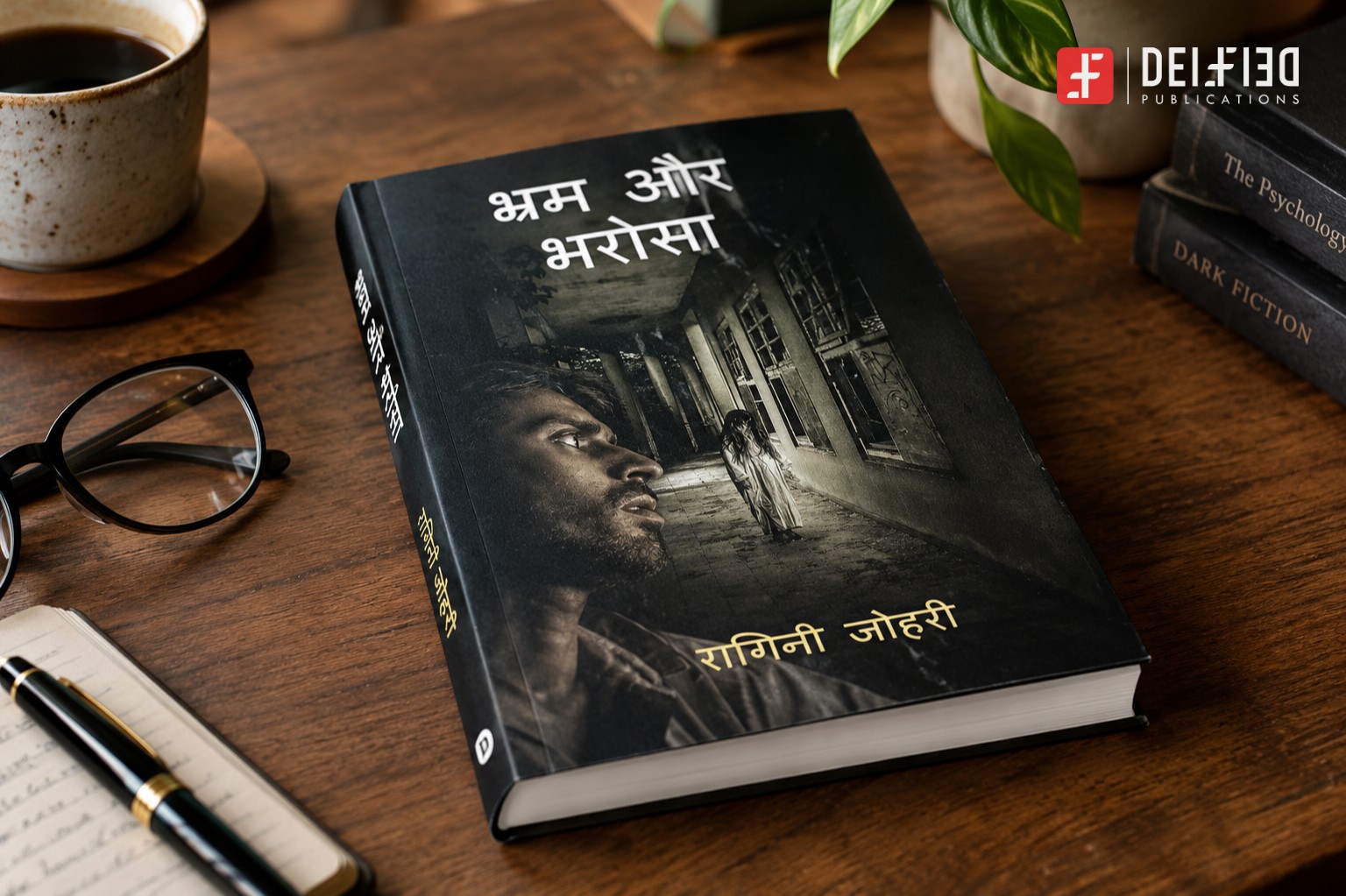
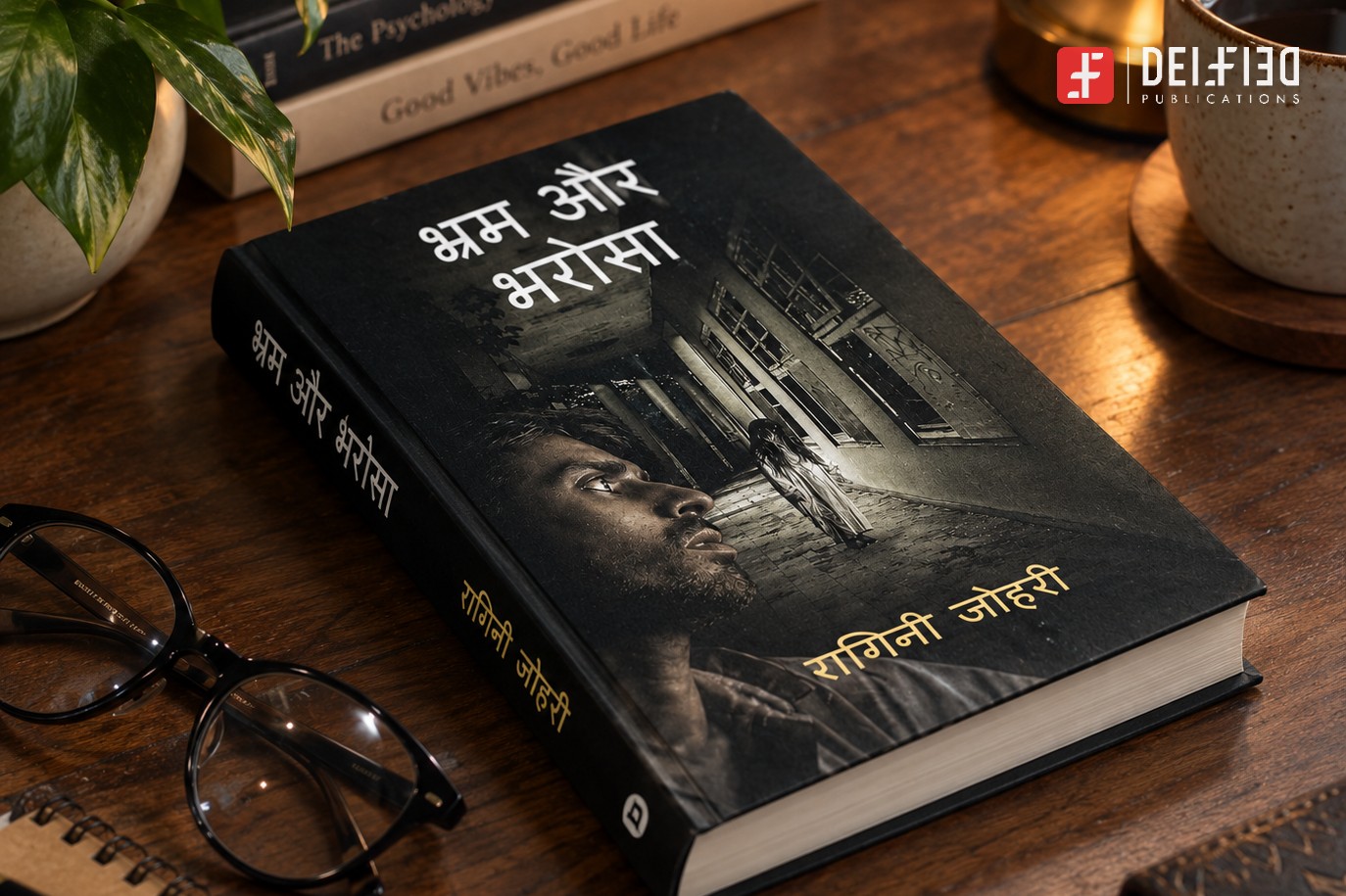
I settled down with this book on a rainy Tuesday evening, holding a warm cup of chai and expecting a standard horror story about haunted corridors. In my years reviewing books, especially across the vast world of Indian commercial fiction, I have learned that covers can sometimes play tricks on you. The cover artwork of this substantial volume shows a bearded young man looking back in absolute panic, with an apparition in white standing down a ruined hallway. It immediately brings to mind classic supernatural fiction like Shirley Jackson's work or the late-night pulp paperbacks by Ved Prakash Sharma that used to circulate among college friends. Yet beneath that exterior lies a far more intricate puzzle, one that mixes psychological tension with severe biological danger.
I spend my working days sifting through manuscripts that promise big thrills but often forget the human heart at their center. Ragini Johari does something quite distinct here. She is an academician and writer known for examining human relationships, psychology, and architectural spaces. That background shines through right from the opening premise. We are placed in Ranikhet, among the peaceful trails of Chaubatia Gardens, but there is no time to admire the pines. The story pulled me in because it treats fear not as a cheap jump scare, but as a slow, creeping realization that the ground beneath your feet is hollow and dangerous.
What Happens Beneath Chaubatia Gardens
For readers looking for a clear book summary, the central conflict takes place within the seemingly peaceful tourist hub of Ranikhet. Far underneath the famous fruit orchards of Chaubatia Gardens sits an unauthorized military depot that has operated outside institutional oversight for years. Inside this installation is a stockpile of a lethal neurochemical compound called Red Pine. It is an agent engineered to dismantle the human nervous system in minutes, meaning an accidental release or intentional sabotage would wipe out the entire mountain settlement without warning.
The catalyst for this crisis begins with the death and funeral rites of an unhinged military colonel who secretly commanded the rogue installation. His death triggers an elaborate trap designed to breach containment and set the town ablaze. Working in the shadows is a fanatical cabal called the Sunrise Syndicate, a group gripped by their own systemic delusion that society must be purged through catastrophe before it can be rebuilt. Opposing this nightmare are two contrasting individuals: Aditya, an investigative journalist who chases rumors of the syndicate with cold skepticism, and Dr. Megha, a physician who understands the gruesome biological realities of what Red Pine will do to human lungs and nerves. Together, they are forced into an abandoned, burning installation with only a three-minute window to avert disaster.
The Delicate Balance Between Delusion and Faith
What struck me deeply while reading was how the narrative lives up to the two Hindi words of its title: delusion and faith. In Hindi fiction, it is rare to see the psychological tension between paranoia and genuine reliance handled with such precision. While reading through this Bhram Aur Bharosa Book Review, you see that the story is not simply about disarming a chemical trigger. It is about whether two absolute strangers, separated by their worldviews, can actually place their survival in each other's hands when everything around them is falling apart. Aditya relies entirely on proof, logic, and exposure, whereas Dr. Megha operates on direct medical ethics and human empathy.
The craft here deserves real attention, especially the way Ragini Johari handles the tightening clock. When the plot forces Aditya and Dr. Megha into the burning bunker, the pacing tightens so intensely that you can almost smell the smoke and scorched wiring. We see moments where Aditya has to second-guess the colonel's final security traps while Dr. Megha monitors the containment seals that are failing one by one. The setting feels claustrophobic, and Johari builds that physical dread using her sharp eye for spatial design. It reminds me of the classic investigative pacing found in novels by Surender Mohan Pathak, where bureaucratic secrecy hides rot until ordinary people are forced to bleed to uncover the truth.
If I am being entirely honest about its weak spots, there are a couple of small hitches that keep the book from absolute perfection. The volume runs to an extensive length of nearly five hundred pages, and there are segments in the build-up where the exposition regarding institutional cover-ups feels heavy. Readers looking for quick, breezy chapters might feel the weight of this detailed background. Furthermore, the visual packaging presents itself almost exclusively like a classic haunted house ghost story with a weeping white figure, which might mildly confuse those who come in expecting supernatural folklore rather than a high-stakes bio-chemical and psychological thriller. These minor flaws do not ruin the experience, but they are noticeable.
The Heavy Human Cost of Blind Systems
Beyond the rapid countdown and the ticking clock, the emotional weight comes from the terrible vulnerability of everyday people. Ranikhet is a town filled with families, tourists, shopkeepers, and orchard workers who have no idea that an insane military officer hid a biological weapon right beneath their picnic spots. There is a deep, gentle terror in that thought. I kept thinking about this scene where Aditya watches the morning fog roll over the hills, fully aware that a single leak could turn that morning mist into a lethal nerve fog. It makes you consider how often ordinary citizens are kept blind by institutions claiming to act in their interest.
I have seen in real life how difficult it is for people to trust each other during an emergency, and that human frailty is captured with honesty here. In that desperate three-minute climax inside the raging fire, Dr. Megha has to make a split-second medical judgment while Aditya wrestles with the physical locks. Neither character is turned into an invincible superhero. They are terrified human beings whose hands shake as the heat rises against the metal bulkheads. That honesty made my pulse jump far more than an impossible action spectacle ever could. It is the kind of book that sits with you because the stakes feel physically fragile and dangerously possible.
Who Should Pick Up This Hindi Thriller
If you are wondering should you read it, the answer depends entirely on what you want from your evening reading. Fans of Hindi suspense who appreciate complex institutional intrigue, secret syndicates, and detailed scientific threats will find themselves thoroughly absorbed. Readers aged thirteen and older who enjoy the psychological paranoia of modern thrillers will appreciate how Johari contrasts ideological madness against real human trust. In 2026, this feels timely because our conversations around public safety, chemical oversight, and institutional secrecy are more urgent than ever.
On the other hand, you might want to skip this title if you are purely looking for an ancient folklore tale, a traditional ghost story with demonic possessions, or a breezy romance set against the hills. Despite what the shadowy apparition on the cover art hints at, the core story here is a tense, modern thriller centered on human failure, toxic compounds, and high-pressure survival. If you prefer light-hearted reads or dislike stories where the clock is constantly running down to zero, the mounting anxiety of the final act might feel exhausting.
A Rich Addition to Contemporary Hindi Suspense
Ragini Johari has crafted a bold, layered work that proves contemporary Hindi suspense can handle intricate bio-chemical plots alongside deep psychological character studies. It takes courage to set a story about toxic neurochemicals in a picturesque place like Ranikhet, turning familiar orchard ground into a claustrophobic chamber of horrors. The narrative moves with purpose, Aditya and Dr. Megha make a memorable investigative team, and the core dilemma about whom to trust under pressure feels earned rather than forced.
While the marketing presentation leans heavily into ghostly imagery and the exposition takes its time to establish every secret depot protocol, the resulting payoff inside that burning three-minute climax is thoroughly satisfying. It is an ambitious, grounded, and intensely atmospheric work that respects the intelligence of its audience while delivering genuine suspense. For anyone asking is it worth it, this is an impressive achievement in psychological fiction that deserves a wide audience of thoughtful readers.
FAQs
What is Bhram Aur Bharosa about?
The book is a high-stakes psychological and bio-chemical thriller set in Ranikhet, Uttarakhand. It follows an investigative journalist named Aditya and a doctor named Megha who discover that a rogue colonel hid a lethal nerve compound called Red Pine beneath the scenic Chaubatia Gardens. Together, they must overcome an ideological cabal known as the Sunrise Syndicate and prevent an intentional release of the toxin during a frantic three-minute window inside a burning installation.
Is Bhram Aur Bharosa worth reading?
Yes, it is well worth reading for fans of serious Hindi suspense, medical thrillers, and psychological mystery. Ragini Johari writes with an academic eye for human behavior and claustrophobic spaces, creating real tension without relying on hollow shortcuts. The high stakes, detailed plot, and realistic portrayal of fear under extreme pressure make it an engaging reading experience from start to finish.
Who should read Bhram Aur Bharosa?
This book is best suited for readers aged thirteen and above who love Hindi thrillers by authors like Surender Mohan Pathak, as well as fans of bio-chemical suspense and institutional cover-up stories. Readers who appreciate stories about logical deduction, medical ethics, and ordinary people facing extraordinary catastrophes will get the most out of this detailed, suspenseful novel.