
ReviewSelf-help
Welcome Back to Yourself Book Review: Is It Worth It?
 Review byPriya SrivastavaEditor-In-Chief
- Published
- Reading time
- 9 min
- Readers
- 3,62,548 views · 132 shares
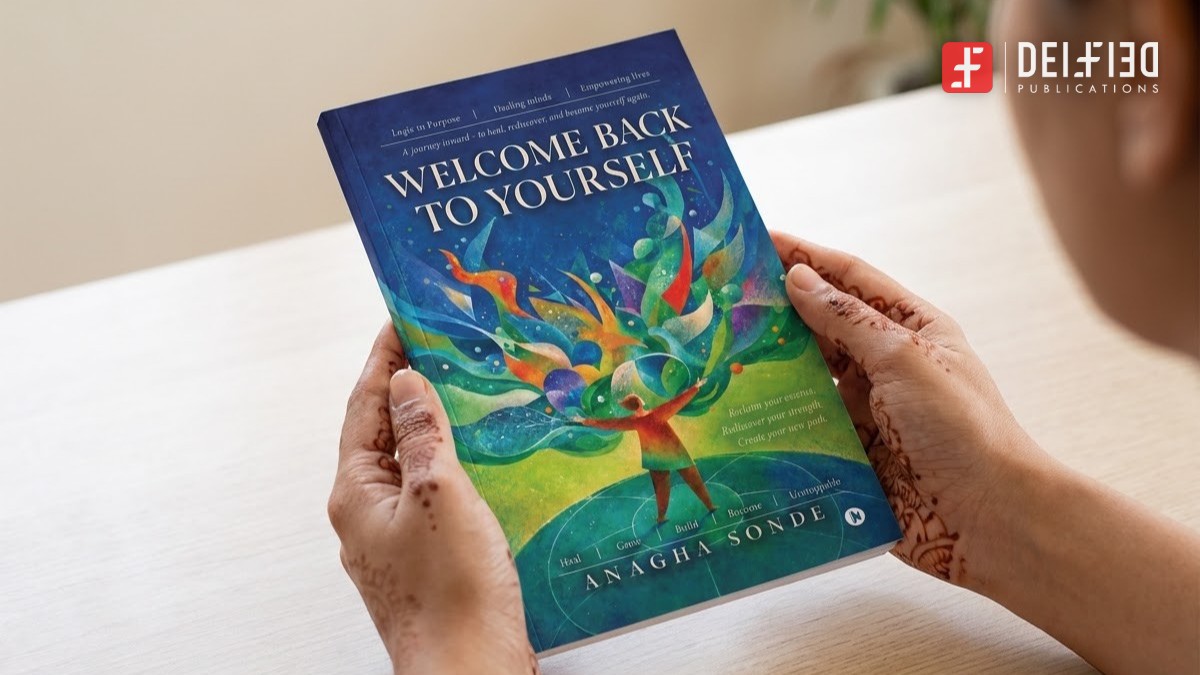
I have read a lot of self help books over fifteen years, and honestly, I usually brace myself before opening one. Many of them make a big promise on page one and hand you a checklist by page ten. So I was surprised when Welcome Back to Yourself by Anagha Sonde began with a hurt instead of advice. As Editor in Chief at Deified Publication, I go through many healing books, and the ones that work are the ones where the author is willing to sound a little unfinished. This one does that early, and I think that is why I kept reading. In 2026, when so many of us are tired and scrolling past other people's perfect recoveries, a book about betrayal, loneliness and slowly coming home to yourself feels very timely.
What the Book Is About
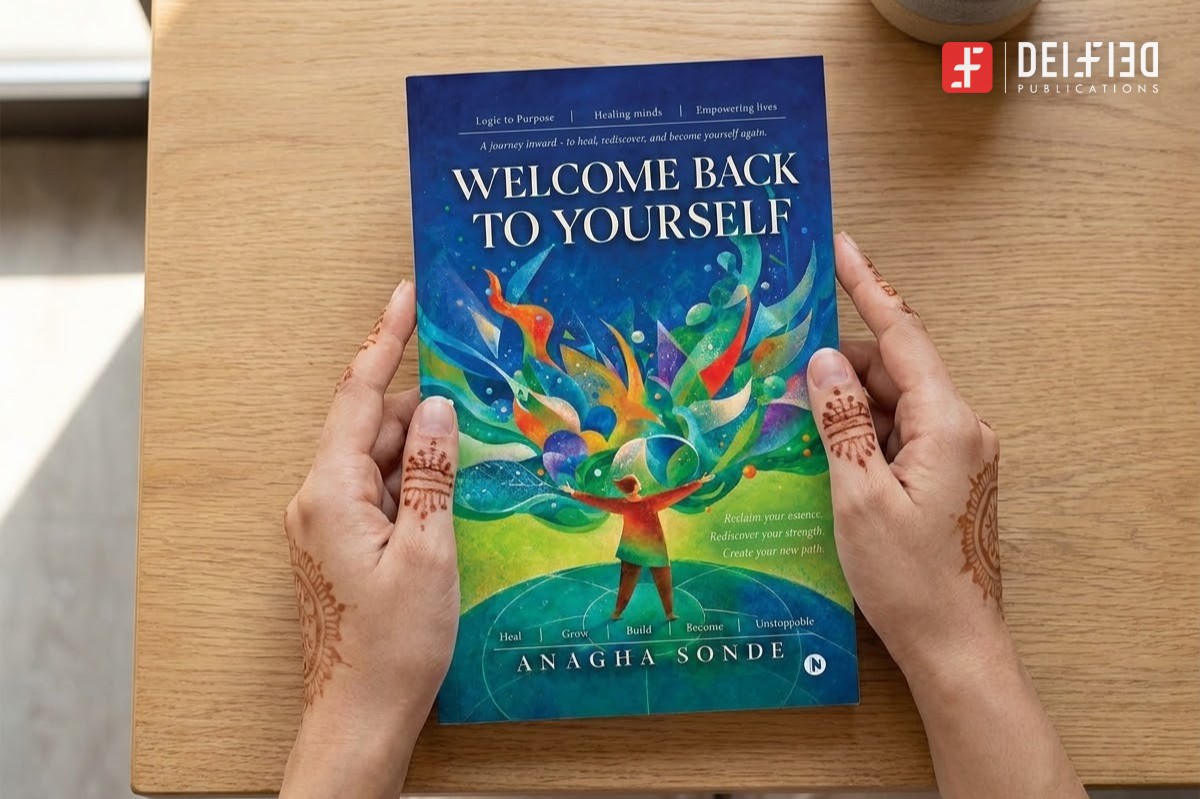
At its heart, this is Anagha Sonde's account of how a trusted friendship collapsed in the final year of her engineering degree, and how that collapse opened a long, dark stretch of self doubt and depression. She was elected placement coordinator, her close friend Rach had contested the election against her, and when Rach later missed the cutoff for campus placements, Sonde got the blame. Friends took sides, rumours spread, and she writes about weeping every morning, even while doing her sun salutations before leaving for college. From there the book widens. It goes back to childhood friendships and a tense home, then moves into her work as a life coach, a set of letters written to the world, travel diaries from Ladakh and Dubai, and finally daily practices of self love. The subtitle promises a journey inward to heal, rediscover and become yourself again, and the structure follows that arc from breaking to mending to becoming.
How the Book Is Laid Out
The contents page is worth reading closely, because the book is built in seven parts and each has a different voice. The opening section is memoir. It begins with a chapter called The Weight I Carried, then moves through Unmasking Myself, The Betrayal That Began It All, The First Fractures and The Lesson at Home. These chapters explain the wound: first the college betrayal, then school friendships that cracked in 10th grade over secret tuitions, then her parents' arguments that taught her to see marriage as a loss of voice. The middle of the book shifts to coaching, with case studies numbered up to at least eight and titled things like Overcoming Perfectionism, Loneliness Without a Partner and Living Whole After Loss. Each follows the same rhythm of Client's Struggle, My Coaching Role and My Reflection, so they are easy to dip into.
Part 3 is called Letters to the World and holds ten letters, among them Welcome to the Game of Life, The Future Is Not Equal to the Past, Romancing the Lord Within, 3rd Option, Say Yes to Yourself and Self Coaching, ending with a poem dedicated to herself. Part 4, All About Me, is a set of seven travel chapters, from Mountains and Miracles in Ladakh to From Dunes to Dreams in Dubai, followed by Hieroglyphs of the Soul, Stones That Speak, Domes That Whisper, Between Buddha and Beaches, The Conscious Embrace and Morning, Measured in Footsteps. Part 5 gives the book its title, Welcome Back to Myself, with seven self love chapters including Sweetheart, The Choice of Being Unmarried, Anchors of Everyday Resilience and Becoming My Own Best Friend. Part 6, Mind Over Matters, has one chapter called The Mirror of Me, and Part 7 is AnaThinks, her own philosophy, followed by acknowledgements and testimonials. It runs a little over two hundred pages and reads quickly.
What Stood Out to Me
The first thing I noticed is how specific the pain is. Sonde does not just say she was betrayed. She tells you that after the placement election Rach turned part of the friend circle against her, that the mere mention of Rach's name made her shiver, and that she had no one to sit beside or talk to in college. She also admits she smiled and made acquaintances easily, which hid the cracks underneath. That line rang true to me. I have seen the loudest person in a room turn out to be the loneliest, and it is rarely noticed in time.
I also liked how she goes back to childhood to explain why the betrayal cut so deep. In The First Fractures she describes three girls, herself, Shil and Vib, who were inseparable in primary school until board exam pressure turned the friendship into competition. The moment that hurt was small: two friends signed up for external tuitions without telling her. She admits the wound was never really about tuition, it was about belonging. It is a sharp observation and a very ordinary one, which is exactly why it works. In The Lesson at Home she recalls a fight where her mother declared she would stop sharing her feelings with her father, and he answered with "good riddance" instead of remorse. From that she decided, even as a child, that marriage meant losing your voice. I found that chapter heavy, and I will come back to it.
The case studies are where Sonde the coach shows up. In Overcoming Perfectionism, a young professional who looks brilliant on paper keeps a diary full of mistakes, and the author hands her mirrors instead of solutions. They build small rituals, like writing mistakes down and tearing the page as a symbol of release, until the diary slowly turns from a ledger of failures into a record of progress. The one that hit me hardest was Living Whole After Loss, about a woman who lost a leg in an accident and withdrew from friends and public spaces. What I liked is that the coach does not pretend recovery is simple. She says she first acknowledged the enormity of the loss, and only then began journaling, morning mirror affirmations and a list of what the woman could still do, like reading, writing, laughing and loving.
The travel chapters surprised me in a good way. In Mountains and Miracles she books a solo trip to Ladakh in July and refuses her father's offer to pay, because funding it herself was a matter of pride. She writes about sunset at Shanti Stupa, the weathered walls of Leh Palace and the giant Maitreya Buddha at Thiksey, with endless cups of Shahi Qawah in between, and concludes that freedom is sometimes about learning to be still. In From Dunes to Dreams she lands in Dubai during the December Shopping Festival and buys gifts for herself without apology, calling it abundance after years of scarcity. At the Dubai Frame she sees her own life mirrored, victimhood on one side and victory on the other.
The Emotional Core
The emotional centre of the book, for me, is the Sweetheart chapter. During moments of panic, Sonde started addressing herself by that name, with a little script that tells her to calm down, that it is just a small problem, and that she will get through. She contrasts it with the words she used to throw at herself, useless and worthless, and says the shift in tone changed her energy almost instantly. It is such a simple idea that I nearly rolled my eyes, and then I thought of how I talk to myself when a deadline slips, and I stopped rolling them. Some parts hit differently when you are the one who needs them.
There is also real tenderness in how she treats solitude. In the chapter on being unmarried, she writes that progress is not measured by rings or children but by freedom, dignity and authenticity, and that she walked alone, not empty but whole. Elsewhere she describes the moment solitude stops feeling like emptiness and starts feeling like completion, like cutting your own birthday cake or watching an aeroplane carve a path across the sky and feeling a smile rise on its own. If you have ever sat through a family gathering feeling like the odd one out, those pages will land. I was not expecting to feel that seen by a book with a coaching section in it.
Where It Did Not Fully Work for Me
I do have some honest reservations. The voice becomes very prescriptive in the Letters section, with tips numbered one to six and firm statements about what "you" must do. One tip says everything happening now is the echo of a past life, and another tells readers to accept losses because nothing belongs to us. Faith clearly steadied her, and I respect that, but a reader who is hurting may not want their pain explained as karma. Some lines about men are also sweeping, and a few passages hope a man who betrays a woman will see his dignity unravel. That felt more like a wound talking than a lesson.
The travel chapters can read like itineraries with a moral stuck on the end of every landmark, and the case studies nearly all close with the author saying that healing the client healed her too. It is sweet once or twice, and repetitive by the eighth. The language also leans on the same images of mirrors, seeds, canvases and anchors. And one important note: if you are living with depression right now, this book is good company, but it is not treatment, and I would not want anyone to treat it as one.
Who This Book Is For
If you have lost a friendship you thought was unbreakable, come out of a heartbreak, or feel like you are performing a version of yourself for everyone else, this book will feel like a hand on your shoulder. It will especially suit women in their twenties and thirties, readers who are comfortable with a faith centred voice, and anyone who likes reflective writing in the spirit of Louise Hay's affirmations or the travel as healing sections of Eat Pray Love. It is also a nice pick for people who like to read in small bites, since the parts and short chapters make it easy to open anywhere. If you want research backed psychology, a secular tone or a tightly argued method, this may not be your book.
Final Thoughts
I came away liking Anagha Sonde more than I expected to. She is not trying to sound flawless, and the best parts of Welcome Back to Yourself are the places where she admits how badly she was hurt and how slowly she rebuilt herself. The preachy stretches and the repetition kept me from calling it a favourite, but the heart in it is real. If it helps one person speak to themselves more kindly on a bad night, it has done its job, and I think it will help more than one.
FAQs
Is Welcome Back to Yourself worth reading? Yes, if you want a warm, faith touched book about healing after betrayal and heartbreak. It is earnest and personal, though a bit preachy in places.
What is the book summary in one line? It is Anagha Sonde's story of recovering from a friendship betrayal and depression, told through memoir, coaching case studies, letters, travel diaries and self love practices.
Who should read it? Readers going through heartbreak, loneliness or loss of confidence, and anyone who enjoys reflective self help with a spiritual voice.
Is it a heavy read? Not really. It deals with painful themes, but the tone is gentle and the chapters are short.