
ReviewPoetry
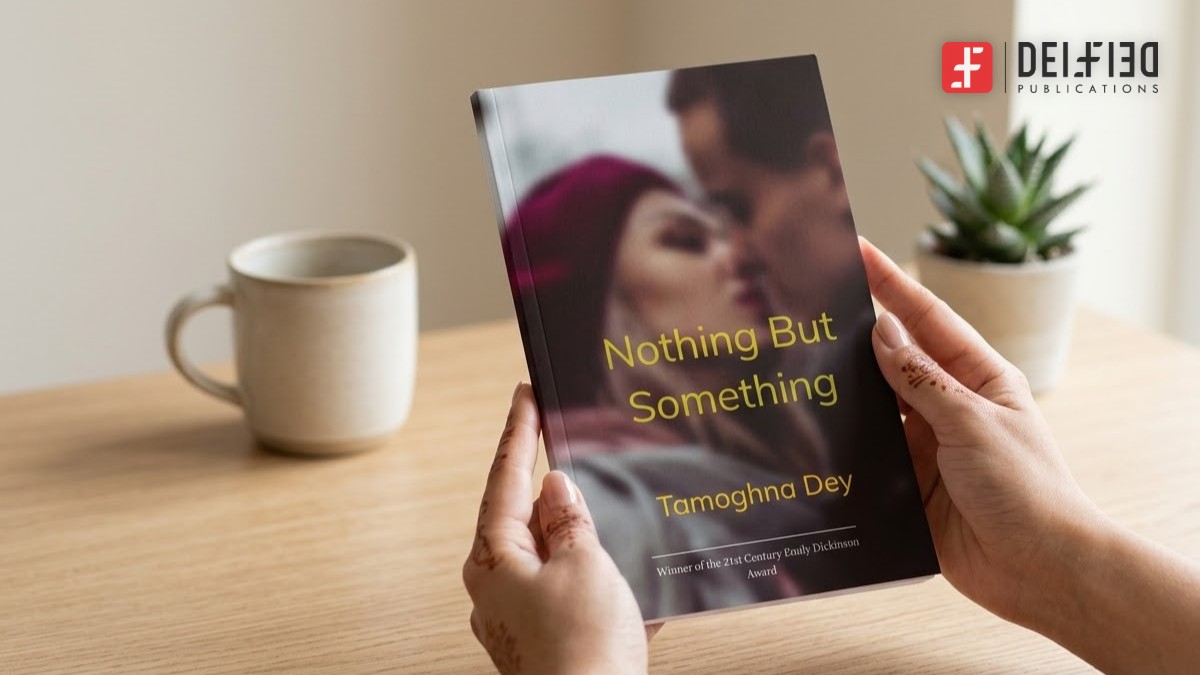
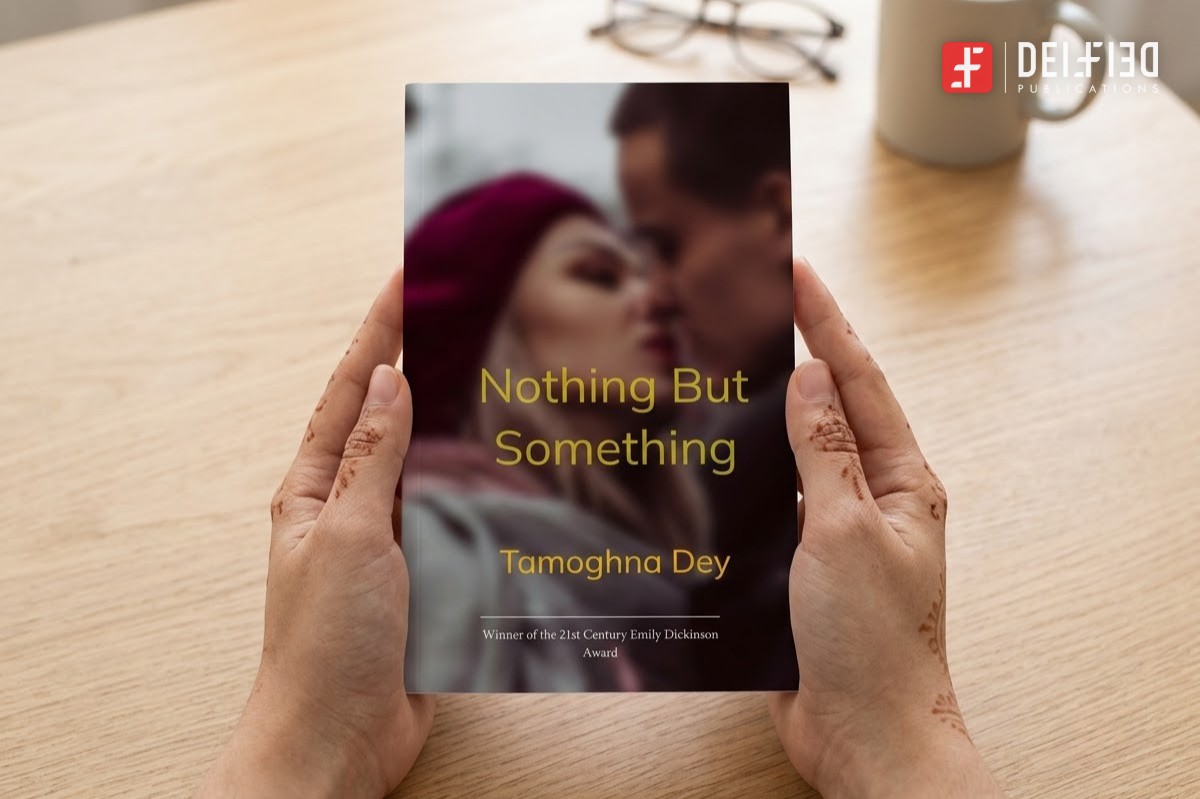
Nothing But Something Book Review: Raw Heartbeat in Verse
 Review byPriya SrivastavaEditor-In-Chief
- Published
- Reading time
- 6 min
- Readers
- 1,24,545 views · 56 shares
In this review5 sections
I have been reading books for over fifteen years, sipping endless cups of morning chai while turning pages across every genre imaginable. Over those years, I have developed a deep appreciation for writing that drops all clever disguises and speaks directly from the gut. When poetry tries too hard to sound intellectual, it often loses its raw human heartbeat. That was the thought in my mind when I picked up Nothing But Something by Tamoghna Dey. As Editor-in-Chief at Deified Publication, I encounter dozens of manuscripts every month, yet there is something strangely distinct about a collection that refuses to polish its sharp edges. It reminded me of early self-published poetry collections from the mid-2010s where young authors simply laid out their raw grief without worrying about literary pretension.
When you sit with a manuscript like this, you realize that writing is sometimes less about polished metaphors and more about an immediate need to release pain. In my own reading journey, I have seen authors spend years refining a single stanza, while others write because their thoughts will simply overflow if they do not put pen to paper immediately. Honestly, this collection belongs firmly in that second category. It feels like reading someone's personal diary entries written late at night during a period of heavy emotional turmoil, mixed with scattered observations about everyday life and the world around them.
What Is It About? A Concise Book Summary
If you are wondering what is it about, this reader review offers a clear picture of the collection's structure and themes. Nothing But Something is an eclectic poetry collection by Tamoghna Dey that moves between intense romantic betrayal, reflections on student pressure, personal ambition, and plain descriptions of natural elements. The author opens the collection with a poem titled From My Heart, where he explicitly sets his intention to write without any restraint. He states plainly that no one can stop him from putting his thoughts into words, framing the entire manuscript as an unstoppable act of self-expression born out of personal necessity.
As the book unfolds, a central narrative thread emerges around heartbreak, broken trust, and the crushing weight of rejection. In poems like You, the speaker describes meeting a girl after connecting on Instagram, only to walk near her house later with a surprise and witness her kissing someone else. That moment of betrayal forms the emotional anchor for several subsequent pieces, including Your Leaving, Are you she?, and Who is she?. Alongside these intensely personal heartbreaks, the author includes poems about external realities, such as Life after graduation, which describes the anxiety of preparing for competitive government job exams while losing sleep, and Student Life, which reflects on how young people carry the burden of becoming future doctors and engineers while navigating their first breakups.
Examining Craft, Style, and Imagery
Looking at the craft across these pages, the style is extremely direct, almost conversational. The author avoids complex literary devices or intricate rhyme schemes, choosing instead to state feelings in plain language. For instance, in the poem titled The Hen, Tamoghna Dey uses a brief fable about a chicken that grows up in a cage, mistaking its owner's care for affection, only to realize the truth when it sees the kitchen knife. While the metaphor is simple, the stark conclusion where the owner cuts the bird and eats it with rice creates a surprising, jarring image that mirrors the suddenness of romantic betrayal described in other pieces.
This simplicity of form is both a deliberate choice and something that may divide readers. In Travelling, the speaker observes an ex-partner walking along a distant road with her husband while he remains entirely alone, noting that her last spoken words still linger painfully in his mind. The line structures are straightforward, almost like prose broken into rhythmic lines. A particularly curious entry is poem nineteen, titled A dream or a nightmare?, where the speaker repeatedly dreams of a girl who resembles a vampire, eventually falls in love with her in his sleep, and then unexpectedly meets her in real life before marrying her. This surreal turn contrasts sharply with the grounded realistic pain in pieces about late night smoking and alcohol in poem twenty, showing a poet experimenting with different narrative modes.
The Emotional Core and How It Lands
The emotional core of Nothing But Something hits with a blunt, unvarnished honesty that some readers will find refreshing and others might find slightly unrefined. There is genuine grief in lines where the speaker asks whether his former partner is happy living with someone else after leaving him with sleepless nights and an inability to eat. In poem fifteen, titled Death, the author touches on waking up from nightmares in a state of deep tension, reaching for a cigarette while asking why he has to experience such heavy mental strain. Some parts hit differently depending on where you are in your own life, especially if you have ever sat through the silence of a sudden breakup.
I kept thinking about poem eight and nine, I am a writer and I am a poet, where the speaker views his writing as both a sanctuary and a lasting legacy. He mentions facing obstacles from his family regarding his decision to write poems and stories, yet he remains determined to write hundreds and thousands of poems before his time comes. That raw determination gives the book an authentic soul. However, from a critical perspective, the raw style sometimes borders on repetitive phrasing. Poems like Your Leaving repeat the same structural openings multiple times, which conveys genuine helplessness but can feel monotonous when read continuously in a single sitting.
Who Should Read This Book and Who Should Skip It
If you are deciding whether should you read this collection, it helps to know what kind of reading experience you prefer. This book is best suited for young adults, college students, or readers who appreciate simple, unfiltered poetry that does not hide behind complicated vocabulary. Anyone who has dealt with the emotional aftermath of a sudden breakup, or felt the heavy weight of post-graduation uncertainty, will likely see bits of their own experience reflected in these pages. If you enjoyed early internet-era poetry books or direct personal verse like that of Rupi Kaur or Atticus, you might find this fast read quite relatable.
On the other hand, if you are looking for highly structured verse, intricate meter, or rich classical imagery, this book might not satisfy your tastes. Readers who prefer polished literary poetry with layered symbolism will probably want to skip it. Some entries, such as poem seventeen, Books, and poem twenty-one, Water, read more like elementary descriptive statements about how books make people engineers or how water has no fixed shape, which can feel jarring next to intense personal reflections on depression and broken trust. It is worth knowing what you are stepping into so your expectations align with what the author offers.
Honest Closing Thoughts
Honestly, as I reflect on this review in 2026, I view Nothing But Something as a snapshot of a writer processing grief in real time. It is not a perfect book, and its technical flaws are plain to see, but its lack of pretension makes it genuine. Is it worth it? For readers seeking an easy, relatable, and deeply personal collection of modern verse, it offers a quick glance into the raw realities of love, rejection, and personal hope.
Frequently Asked Questions
What is the main theme of Nothing But Something by Tamoghna Dey?
The primary themes running through the book include romantic heartbreak, betrayal, student stress, personal ambition, and the restorative act of writing poetry itself. Tamoghna Dey weaves together personal memories of lost love with reflections on societal expectations, university life, and emotional healing.
Is Nothing But Something suitable for casual readers?
Yes, the collection uses straightforward, easy language without complex poetic jargon, making it very accessible for casual readers, teenagers, and young adults. The short format of each poem allows readers to complete the book quickly or read a few entries at a time.
Where can I read more reviews of self-published poetry books?
You can find regular, honest book reviews across various contemporary poetry collections right here on Deified Publication, where our team covers both established releases and new independent works with authentic reader perspectives.